Summer is the perfect time to enjoy long, sunny days with your pets. Whether you are going for walks, spending time in the backyard, visiting the beach, or enjoying family barbecues, warm weather gives us many chances to make special memories with our furry companions.
However, summer also comes with certain risks for pets. Heat, dehydration, hot pavement, unsafe foods, outdoor chemicals, and even open windows can all create hazards. With a little preparation and awareness, you can help your pets stay safe, healthy, and happy all season long.
Schedule an Early-Summer Vet Checkup A visit to the vet at the beginning of summer is a great way to make sure your pet is ready for the season. Ask your veterinarian about heartworm testing and prevention, especially if your pet is not already on year-round protection. Your vet can also guide you on flea, tick, and parasite prevention for the warmer months.
Keep Pets Hydrated and Cool During hot or humid weather, pets can become dehydrated quickly. Always provide plenty of fresh, clean water, especially when your pet is spending time outdoors. Make sure your pet has access to shade and a cool place to rest. Avoid too much exercise during the hottest parts of the day, and keep pets indoors when temperatures are extremely high. Walks are best done early in the morning or later in the evening when it is cooler.
Watch for Signs of Overheating Overheating can become serious very quickly. Warning signs may include heavy panting, trouble breathing, drooling, weakness, rapid heartbeat, fast breathing, confusion, vomiting, diarrhea, seizures, collapse, or a body temperature above 104°F.
Pets with flat faces, such as Pugs, Bulldogs, and Persian cats, are at a higher risk of heat stroke because they cannot cool themselves as effectively through panting. Senior pets, overweight pets, and pets with heart or breathing conditions should be kept in cool, air-conditioned spaces as much as possible.
Never Leave Pets in a Parked Car Never leave your pet alone in a parked vehicle, even for a short time. Temperatures inside a car can rise very quickly and may lead to life-threatening heat stroke. In many places, leaving animals unattended in vehicles can also be against the law.
Protect Their Paws from Hot Pavement Hot asphalt and pavement can burn your dog’s paw pads. Since dogs are close to the ground, their bodies can also heat up faster while walking on hot surfaces.
Before heading out, place the back of your hand on the pavement for a few seconds. If it feels too hot for your hand, it is too hot for your dog’s paws. Keep walks short during high temperatures and choose grassy or shaded areas whenever possible.
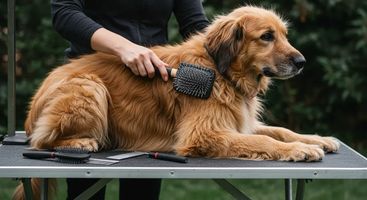
Practice Safe Summer Grooming It is okay to trim longer hair on your dog, but avoid shaving their coat completely. A dog’s coat helps protect them from overheating and sunburn. Brushing cats more often during hot weather can also help reduce discomfort caused by excess fur.
Only use sunscreen or insect repellent products that are clearly labeled as safe for pets. Products made for people may contain ingredients that are not safe for animals.
Keep Windows and Doors Secure Open windows and doors without screens can be dangerous for pets. Make sure all unscreened windows and doors are closed, and check that adjustable screens are tightly secured. Pets may lean, jump, or fall out unexpectedly, especially if they see birds, squirrels, or other animals outside.
Supervise Pets Around Water Always supervise pets around pools, lakes, and beaches. Not all pets are natural swimmers, so introduce them to water slowly and never force them to swim.
If you are boating or spending time near deep water, use a properly fitted pet life jacket. Offer fresh drinking water so your pet does not drink pool, lake, or ocean water. After swimming, rinse your dog to remove chlorine, salt, sand, or dirt from their coat.
Be Careful with Lawn and Garden Products Summer often means more lawn and garden care, but products such as herbicides, insecticides, and fertilizers can be risky for pets. Keep pets away from treated areas, follow the product instructions, and do not allow pets back until the area is dry or has been watered as directed.
Also keep citronella candles, tiki torches, insect coils, and similar outdoor products out of your pet’s reach.
Choose Pet-Safe Plants Outdoor time can increase your pet’s exposure to plants, flowers, and garden vegetables. Some plants may be harmful to animals, so it is helpful to know what is growing in your yard or garden.
Supervise your pet outdoors and discourage them from chewing on plants. Even plants that are not considered toxic can sometimes cause stomach upset if eaten.
Keep BBQ Food, Alcohol, and Garbage Away
Summer gatherings often include food and drinks that are not safe for pets. Fatty foods, bones, chocolate, grapes, onions, garlic, and certain other foods can be dangerous for animals.
The safest choice is to keep your pet on their regular food and treats. Keep garbage bins closed and out of reach, as pets can easily find harmful leftovers, wrappers, or bones. Alcoholic drinks should also be kept away from pets, and spills should be cleaned up right away.
Keep Pets Safe During Fireworks Fireworks can be very stressful and dangerous for pets. Lit fireworks can cause serious burns or injuries, and even unused fireworks may contain harmful materials.
Many pets are frightened by loud noises and may run away, hide, or become disoriented. During fireworks, keep your pet indoors in a quiet, secure, and comfortable area. Make sure doors, windows, and gates are closed to prevent escapes.
Enjoy a Safe and Happy Summer Together Summer should be a fun and memorable season for both you and your furry friends. By keeping your pets cool, hydrated, supervised, and away from common seasonal hazards, you can help them enjoy the warm weather safely.
With a little extra care and